Thinking about crossing the Hudson but keeping your NYC lifestyle? You are not alone. Many New Yorkers move to Jersey City for more space, newer buildings, and strong transit while staying close to Manhattan. In this practical guide, you will learn how neighborhoods compare, what commutes really look like, how renting and buying timelines play out, and a step‑by‑step move checklist. Let’s dive in.
Why people move to Jersey City
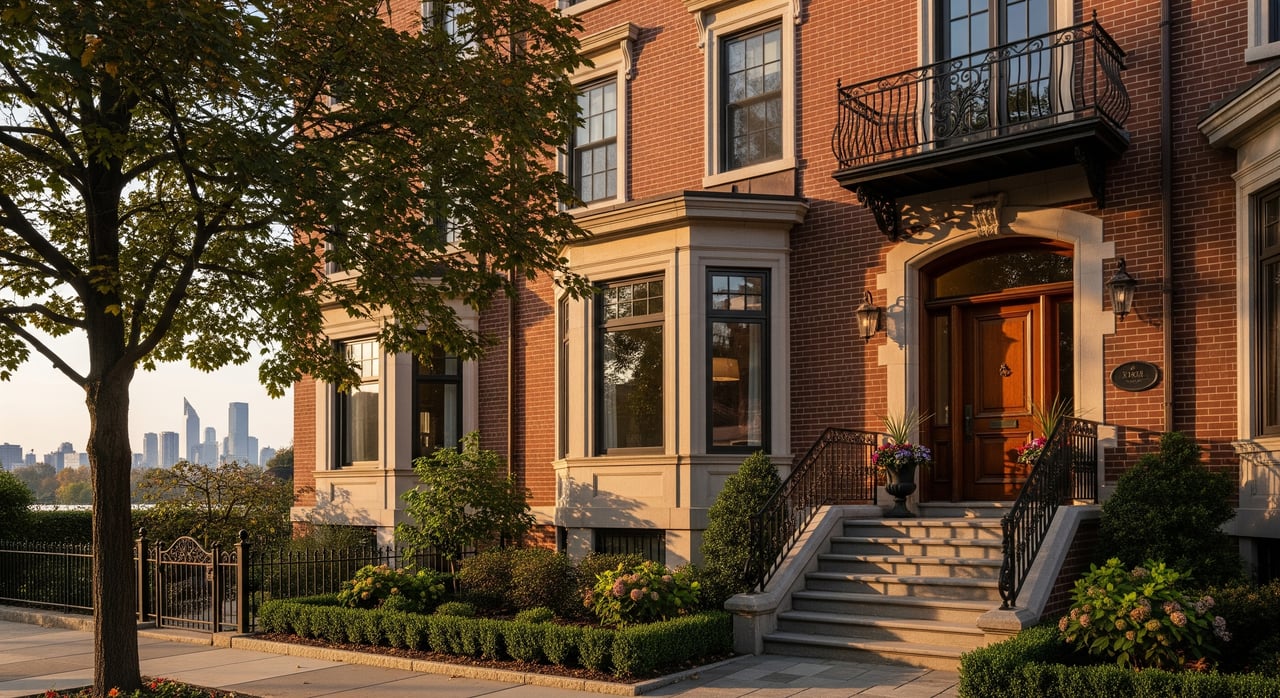
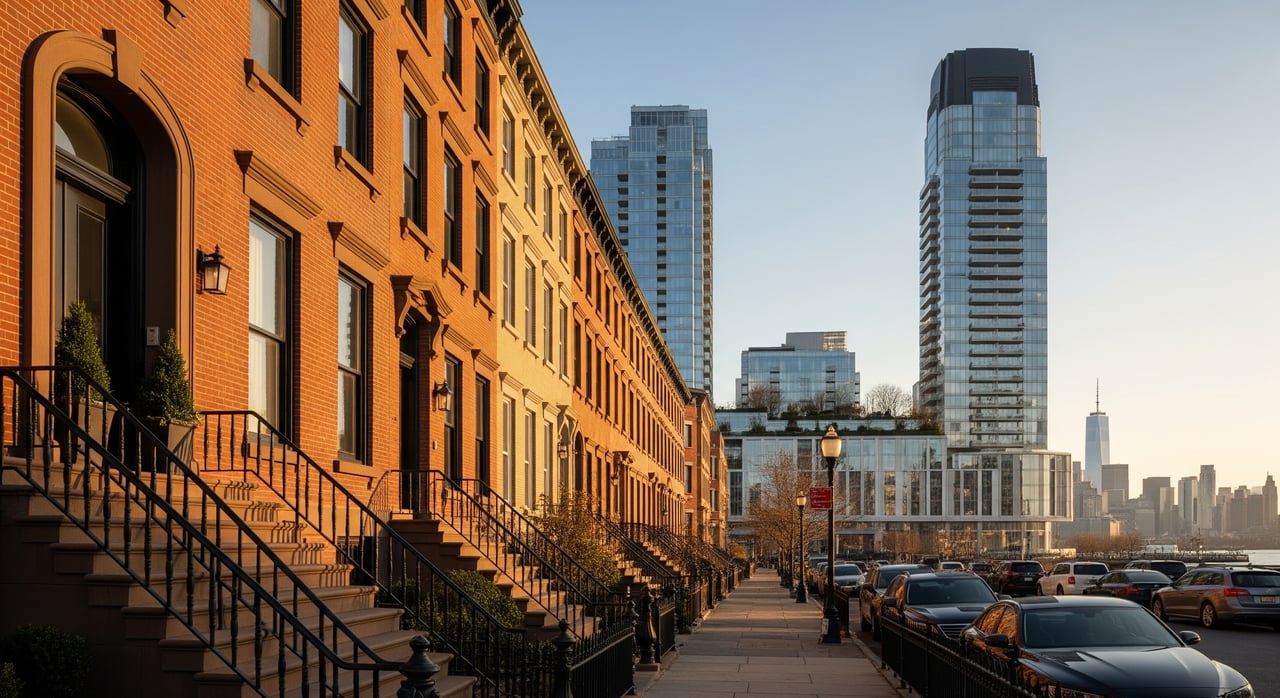
Jersey City offers a mix of high‑rise towers, brownstones, walk‑ups, and small multifamily homes. You often find larger floor plans and newer amenities than comparable NYC options. Waterfront and downtown areas can match Manhattan pricing, but you can usually trade slightly longer commutes for lower monthly costs inland.
Transit proximity, building amenities, and parking availability are top priorities for most movers. If you are buying, also factor property taxes and condo or HOA fees into your monthly budget. New Jersey’s rules for security deposits and tenant protections differ from NYC, so plan for those requirements during your application.
Best neighborhoods to consider
Downtown Waterfront: Exchange Place, Paulus Hook, Newport
- Pros: Fastest PATH and ferry access to Manhattan, many new luxury towers with gyms, pools, and doormen, walkable to restaurants and retail.
- Cons: Highest rents and purchase prices in Jersey City, higher HOA fees in amenity buildings, paid garage parking is common.
Grove Street / Downtown Core
- Pros: Lively pedestrian center with strong PATH access, food and nightlife options, varied housing stock.
- Cons: Premium pricing near the PATH, mix of building ages and finishes.
Journal Square
- Pros: Major PATH and bus hub, historically more affordable than the waterfront, continued development adds choices.
- Cons: Longer PATH ride to some Manhattan destinations compared with waterfront stations.
The Heights
- Pros: Brownstones and single‑family options, neighborhood feel with local retail corridors, often lower prices than the waterfront.
- Cons: Fewer direct PATH options, many residents walk, bus, or use light rail transfers, commute times can be longer.
Bergen‑Lafayette, West Side, Greenville
- Pros: Generally more affordable, more single‑family and larger unit options for the price.
- Cons: Fewer transit nodes, longer trips to PATH or ferry unless close to a station.
Commute and transit basics
The PATH is the primary rapid transit link to Manhattan, with direct lines to the World Trade Center and 33rd Street. Your commute is a combination of walk time plus train or ferry time, so living close to a station often makes the biggest difference. Waterfront hubs can rival many Manhattan door‑to‑door commutes.
NY Waterway ferries serve select waterfront areas and offer a premium, scenic option. The Hudson‑Bergen Light Rail connects neighborhoods along the waterfront and into Hoboken, which helps with local travel and transfers. NJ Transit buses round out options to Midtown and regional hubs.
Rent vs buy in Jersey City
Renting: timeline and what to expect
- Search window: about 1 to 6 weeks, depending on budget and flexibility.
- Application to lease signing: often 1 to 7 days if your documents are ready.
- Move‑in: many landlords schedule move‑ins within 3 to 14 days after signing.
Expect an application fee for credit and background checks. New Jersey limits security deposits and requires specific handling and return procedures. Some buildings charge move‑in or amenity fees. Broker fee structures vary by listing and market conditions.
Buying: timeline and what to expect
- Search window: about 2 to 12 weeks, depending on criteria and inventory.
- Offer to contract: days to a week once terms are set.
- Typical closing window: commonly 30 to 60 days from contract in New Jersey, depending on financing, inspections, title, and condo documents.
Build in time for mortgage underwriting, inspections, and attorney review. If you are purchasing a condo, plan ahead for association disclosures and any application package.
Upfront costs at a glance
- Renters: application fee, security deposit within New Jersey limits, first month’s rent, potential broker and move‑in fees. Some buildings require refundable deposits for keys or fobs.
- Buyers: earnest money deposit, down payment based on your loan program, and closing costs that include attorney, title, recording, and lender fees. Ongoing costs include mortgage, property taxes, homeowners insurance, and condo or HOA dues if applicable.
Documents you will need
- Renters: government ID, recent pay stubs, employer letter, last two bank statements, prior landlord contact info, references, and guarantor details if required.
- Buyers: mortgage pre‑approval letter, proof of assets, income documentation, photo ID, buyer’s agent contact, and funds ready for the earnest money deposit. For condos, request association documents early.
Condo, co‑op, or multi‑family
Condos are common and usually faster to close than co‑ops. Co‑ops are less common in Jersey City and can add application steps and financing restrictions. One to four family homes follow standard inspection and closing timelines, with possible negotiation for repairs.
Avoid delays
- Get a firm pre‑approval, not just a pre‑qualification.
- Request condo or HOA documents early and review them promptly.
- Schedule inspections quickly and set realistic contingencies.
- For rentals, assemble a complete, ready‑to‑send application packet.
Parking, amenities, and monthly costs
On‑street parking uses meters and resident permits in many areas. Buildings with garages typically charge monthly parking fees that vary widely. Driveways or private parking are most common with single‑family or smaller multi‑family homes.
High‑rise towers often feature doormen, package rooms, gyms, pools, and roof decks. These amenities are attractive, but monthly HOA or building fees can be significant and should be part of your budget. New Jersey property taxes are among the highest in the country, so buyers should model the tax bill alongside mortgage, insurance, and HOA dues.
Your moving timeline and checklist
8 to 6 weeks out
- Decide whether to rent or buy based on budget and timing.
- Pick target neighborhoods by commute tolerance and building type.
- Buyers: secure mortgage pre‑approval and line up a local buyer’s agent.
- Renters: gather documents and understand building application policies.
- Start logistics planning for movers, pets, and any school or daycare needs.
4 to 2 weeks out
- Book in‑person or virtual tours for a focused stretch of showings.
- Buyers: prepare earnest money funds and schedule inspections quickly.
- Renters: submit complete applications as soon as you find the right place.
- Reserve elevator and moving slots with building management if required.
1 week to moving day
- Transfer or start utilities such as electric, gas, and internet.
- Confirm parking or garage arrangements for move day.
- Coordinate moving instructions and elevator times with management.
- Plan your final walk‑through and arrange key or fob pickup.
Move day and after
- File a change of address and set up mail forwarding.
- Update DMV, voter registration, and vehicle rules if applicable.
- Set up local services and review garbage and recycling schedules.
- Buyers: confirm closing logistics with your attorney or settlement agent.
How Conley Realty streamlines your move
You can compress search and application timelines by working with a local, hands‑on team that knows the buildings, managers, and processes in Hudson County.
- Pre‑approval coordination: we connect you with lenders who understand Jersey City underwriting and move quickly.
- Complete renter packet: we help assemble a single digital application file so you can apply within minutes.
- Targeted shortlist: we match your budget, commute, and building preferences to a focused list, then stack tours back to back.
- Virtual tours and microtours: preview units and blocks remotely to save time.
- Attorney, inspector, and HOA coordination: we line up trusted professionals and request condo documents early.
- Move concierge: we assist with movers, elevator bookings, and utility setups so your transition is smoother.
Ready to compare neighborhoods and timelines?
If you want more space without losing your city rhythm, Jersey City delivers strong transit, a range of building types, and realistic paths for both renters and buyers. When you are ready, a focused plan and a local team will help you find the right home on your schedule.
Have questions or want a personalized shortlist? Reach out to Conley Realty to search listings or contact Tai to get started.
FAQs
How long does it take to rent in Jersey City?
- With documents ready, you can often apply and sign within days, while the search usually takes about 1 to 6 weeks depending on availability and flexibility.
How long does it take to close on a Jersey City condo?
- Many New Jersey condo deals close about 30 to 60 days from contract, depending on financing, inspections, title work, and condo documents.
What deposits and fees should renters expect in Jersey City?
- Expect an application fee and a security deposit that follows New Jersey limits, plus possible move‑in or amenity fees; broker fee structures vary by listing.
Is parking typically included with Jersey City apartments?
- Often not; many downtown and waterfront buildings offer paid garage options, while other areas rely on resident permits or street parking.
Will my commute be longer than lower Manhattan if I move to Jersey City?
- Not necessarily; living near Exchange Place, Paulus Hook, or Newport can deliver door‑to‑door times comparable to parts of Manhattan, thanks to PATH and ferries.
Are HOA or condo fees high in Jersey City buildings?
- Fees can be substantial in amenity‑rich buildings, so include them in your monthly budget along with property taxes, which are significant in New Jersey.