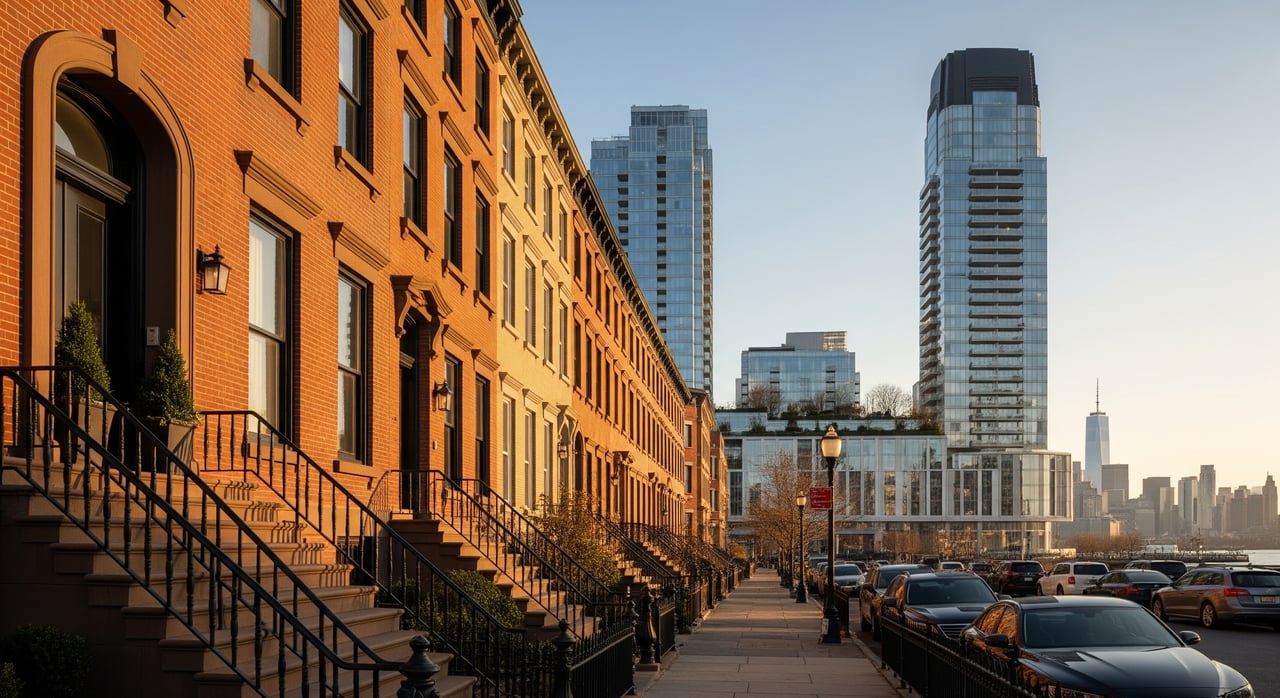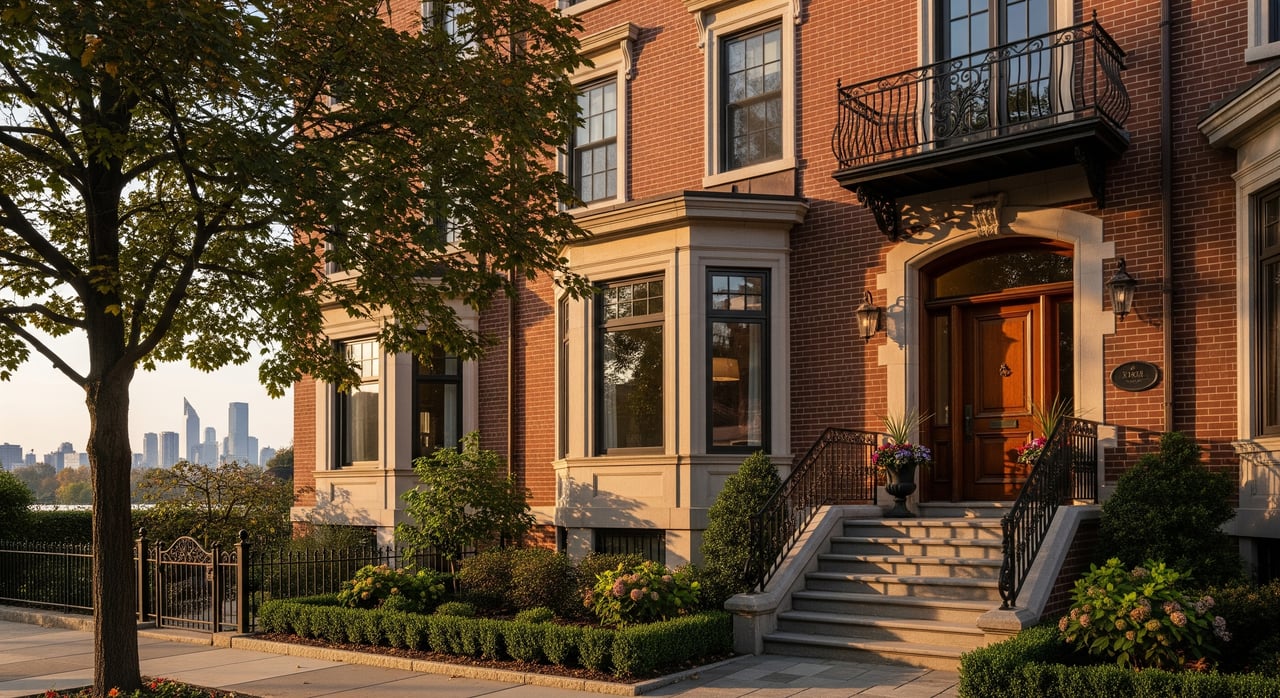
Thinking about buying in Belleville this year? You are not alone. As a close-in Essex County township with access to Newark and New York City, Belleville often moves fast and feels competitive, especially for well-priced homes. This guide shows you which signals to watch, how different property types behave, and the practical steps that help you act with confidence. Let’s dive in.
Belleville market snapshot
Belleville is a mature, dense market shaped by regional mortgage rates, commuter demand, and a steady supply of smaller single-family and multifamily homes. Conditions can change quickly from week to week. That is why you should rely on live data from your agent’s MLS feed and your saved searches rather than last month’s headlines.
The most helpful view combines a few simple metrics: new listings per week, days on market, active inventory or months of supply, price reductions, sale-to-list ratio, and pending contracts. Watching those together tells you when to move fast and when to negotiate.
Where to check current numbers
- Your agent’s direct MLS feed for real-time new listings, price cuts, DOM, and pending contracts.
- Redfin Data Center, Zillow Research, and Realtor.com Local Market Trends for city-level trends. Use these for confirmation and broader context.
- U.S. Census QuickFacts for housing stock age and occupancy patterns. See U.S. Census QuickFacts.
- Essex County and state tax references for annual tax estimates. Start at the NJ Division of Taxation.
Key indicators to watch
New-listing velocity
New listings per week signal choice and competition. A steady flow usually eases pressure. A sudden drop often brings more bidding and faster decision timelines.
How to use it: set alerts for new listings and compare week over week. If new inventory slows, plan to tour within 24 to 48 hours and expect competing offers on well-priced homes.
Days on market (DOM)
Short DOM points to high demand or sharp pricing. Rising DOM can mean buyers have more room to negotiate or that sellers are testing high prices.
How to use it: sort your search by newest and also by longest DOM. Fresh listings guide your fast tours. Longer-DOM homes can create leverage for credits or price adjustments.
Inventory and months of supply
Inventory describes how many options you have. Months of supply blends inventory with buyer demand. Lower supply typically favors sellers, while higher supply tilts toward buyers.
How to use it: when supply is tight in Belleville, prepare a strong, clean offer. When supply builds, prioritize value and push for credits or concessions.
Price reductions
Frequent price cuts suggest initial overpricing and potential seller motivation. Fewer reductions often mean sellers are meeting the market and getting traction.
How to use it: add a filter for price drops in the past 14 or 30 days. Revisit saved homes after a cut, since pricing changes can shift the math quickly.
Sale-to-list ratio and cash share
The sale-to-list ratio shows how final prices compare to asking prices. A ratio above 1.00 signals frequent over-asking outcomes. A higher share of cash purchases can increase competition for starter homes and investment properties.
How to use it: if ratios run hot, decide on your top number early and consider an escalation clause. If ratios cool, focus on inspection credits and closing flexibility instead of overbidding.
Pending ratio and time to contract
The pending ratio compares homes under contract to those still active. Higher ratios point to fast-moving conditions and stronger demand.
How to use it: when the pending ratio jumps, shorten your touring window and have offer documents ready to sign the same day you view a match.
Neighborhood comps and price per square foot
Comps should be close in location, style, bed/bath count, and condition. Price per square foot helps compare similar homes, but updates and lot features still matter.
How to use it: review the last three to five closings within a half mile, then adjust for renovations, parking, and outdoor space. Ask your agent for a clear, side-by-side comp summary before you offer.
How Belleville homes tend to move
Single-family homes
Detached and semi-detached homes often draw the most interest from first-time and move-up buyers. Updated kitchens and baths command premiums. Well-priced, move-in-ready homes can see multiple offers in tighter markets.
Tip: many local homes date to the early and mid-20th century. Plan thorough inspections for roof, electrical, plumbing, and potential lead paint. Review the EPA guidelines on lead-based paint if a home was built before 1978.
2–4 family properties
Small multifamily buildings appeal to both investors and owner-occupants who want rental income. If priced on income and condition, these listings can move quickly.
Tip: verify the rent roll, leases, utilities, certificate of occupancy, and code compliance early. Ask for expense history to assess true cash flow and likely repairs.
Condos and newer construction
Condos attract first-time buyers and downsizers who value simplicity and amenities. Monthly fees, parking, and association rules shape value.
Tip: review financial reserves, recent special assessments, insurance coverages, and rental policies. If developer units are still available, factor that competition into your resale outlook.
Price brackets
Entry-level homes often move fastest and gather the most offers. Mid-range activity varies with inventory and updates. Upper-tier homes usually take longer, which can open room for negotiation.
Your buyer playbook
Set smart alerts
Create separate saved searches for single-family, 2–4 family, and condos within Belleville. Use a realistic price range and your must-have criteria, such as beds, baths, parking, and yard.
- Turn on immediate alerts for new listings and price drops.
- Add advanced alerts for DOM over 30 days and recent price cuts to catch motivated sellers.
- Review your alerts twice daily during active shopping.
Tour quickly and efficiently
Be fully pre-approved, not just pre-qualified, and have proof of funds ready for the deposit. Keep a 48 to 72 hour window to tour new matches.
- For top picks, request the seller disclosure, any prior inspection reports, and recent utility costs before the showing.
- Prioritize homes with low DOM and strong photos, then circle back to longer-DOM options for value opportunities.
Get offer-ready
Ask your agent to prepare offer templates with your typical contingencies and timelines. Decide in advance where you can be flexible on closing date, inspection credits, and earnest money.
- Consider a short inspection period to signal commitment.
- If competition is likely, discuss an escalation clause with clear caps and documentation requirements.
- If the market cools, focus on price, credits for repairs, and seller-paid closing costs where appropriate.
Do fast, focused due diligence
Once under contract, request key documents immediately: seller disclosures, recent utility bills, property tax bill, permits, HOA documents for condos, and lease audits for 2–4 family buildings. For older homes, plan for a licensed inspector experienced with North Jersey housing and discuss radon and termite testing as standard practice.
Local checks that matter
- Housing age and repairs: many homes were built before 1978. Review EPA lead-paint guidance and hire inspectors who know older wiring, roofing, and drainage norms in Essex County.
- Taxes and carrying costs: New Jersey taxes vary by municipality and can be a large share of your monthly carrying costs. Confirm the parcel’s current tax amount and estimate insurance and utilities. Use the NJ Division of Taxation as a starting point.
- Zoning and rental rules: for 2–4 family properties, check Belleville’s requirements for rental registration, certificates of occupancy, and any short-term rental rules. Local compliance can affect financing and future cash flow.
- Commute and resale: proximity to transit and major routes into Newark and NYC can boost demand. Use neutral, objective factors like commute times, access to parks, and municipal services in your comparison.
- Flood and insurance: confirm a property’s flood zone status and get insurance quotes early. If near waterways, factor potential flood insurance into your budget.
Ready to buy smart in Belleville?
You can read the Belleville market like a pro by watching a few clear signals and pairing them with quick, confident action. If you want local comps, tailored alerts, and on-call touring support, our team is ready to help you move from renter to owner with less stress. Connect with Conley Realty to set up your custom search and plan your next steps.
FAQs
How fast should a Belleville buyer act on a new listing?
- If inventory is tight and DOM is short, plan to tour within 24 to 72 hours and have offer documents ready the same day.
What if mortgage rates are high when I’m shopping in Belleville?
- Watch local DOM and price reductions; if listings linger and cuts rise, negotiate, but if demand is firm, decide based on total monthly cost and time in the home.
How do I spot a motivated seller in Belleville?
- Look for price reductions, long DOM, seller concessions, or listing notes that mention timing needs such as relocation or estate sales.
Are Belleville 2–4 family buildings good for house hacking?
- They can be if the rent roll, lease terms, expenses, and code compliance support your payment and reserves; verify documents before offering.
What due diligence is most important for older Belleville homes?
- Prioritize inspections for roof, electrical, plumbing, termites, drainage, and lead-based paint, and review repair invoices and permits to understand recent work.